
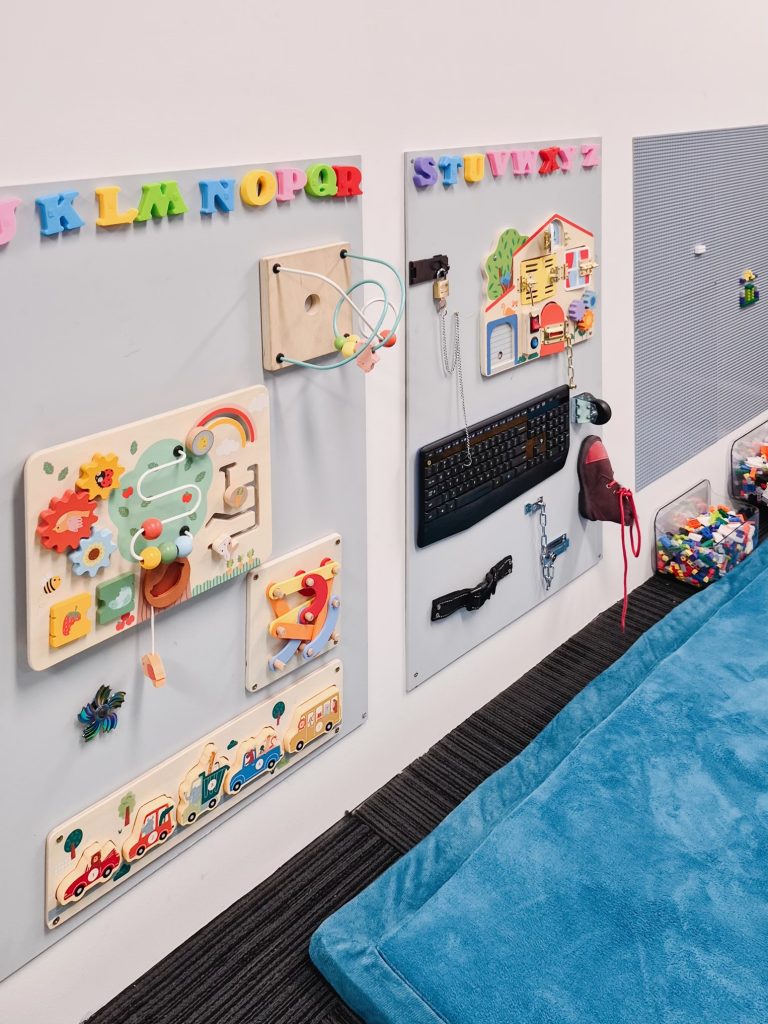
Getting the most out of your NDIS plan sensory activities budget starts with understanding exactly where that funding sits and how to access it without unnecessary back-and-forth. This step-by-step guide walks you through the process from your very first check of your plan through to booking a recurring session.
Step 1: Locate the Right Budget Line
Log into the my place portal or pull out your plan document and look for Core Supports, particularly the Social and Community Participation line item. This is where most families find the flexibility to book sensory and social activities without needing a separate therapy referral. If your plan includes Capacity Building funds for improved daily living or improved relationships, these can sometimes apply too, especially if a session is tied to a specific skill-building goal rather than pure recreation.
Step 2: Confirm Provider Compatibility
Not every provider accepts every plan type, and registration status matters here too. Before you get attached to a particular sensory space, confirm whether they work with self-managed, plan-managed, and NDIA-managed participants, and whether they are NDIS registered or unregistered. Reputable providers list this clearly, and if they don’t, a quick email or phone call will get you an answer fast.
Step 3: Link the Activity to a Goal
NDIS funding responds well to clear goal alignment. If your child’s plan lists goals around social participation, emotional regulation, or community engagement, a sensory or social activity session fits naturally. Ask your provider for a short summary of how their sessions support these areas — many will already have this documented for exactly this purpose.
Step 4: Book, Attend, and Document
Once you’ve confirmed funding and goal alignment, booking is usually the easy part. After each session, keep the invoice or session summary provided. If you’re working with a support coordinator, share these regularly so they can track progress against your plan goals at your next review.
Step 5: Reassess at Plan Review
Your NDIS plan sensory activities allocation isn’t fixed forever. At each review, bring evidence of how sessions have helped, improved tolerance to new environments, better emotional regulation, or increased willingness to engage socially. This evidence supports continued or increased funding in this category going forward.
Make the Process Work for You
The NDIS system rewards families who understand their plan and can clearly articulate how an activity supports stated goals. Sensory and social activities are a legitimate, valuable use of Core Supports funding, and it’s always worth confirming registration status and funding fit directly with your chosen provider before booking, whether that’s Sensory Funzone or another Melbourne provider.